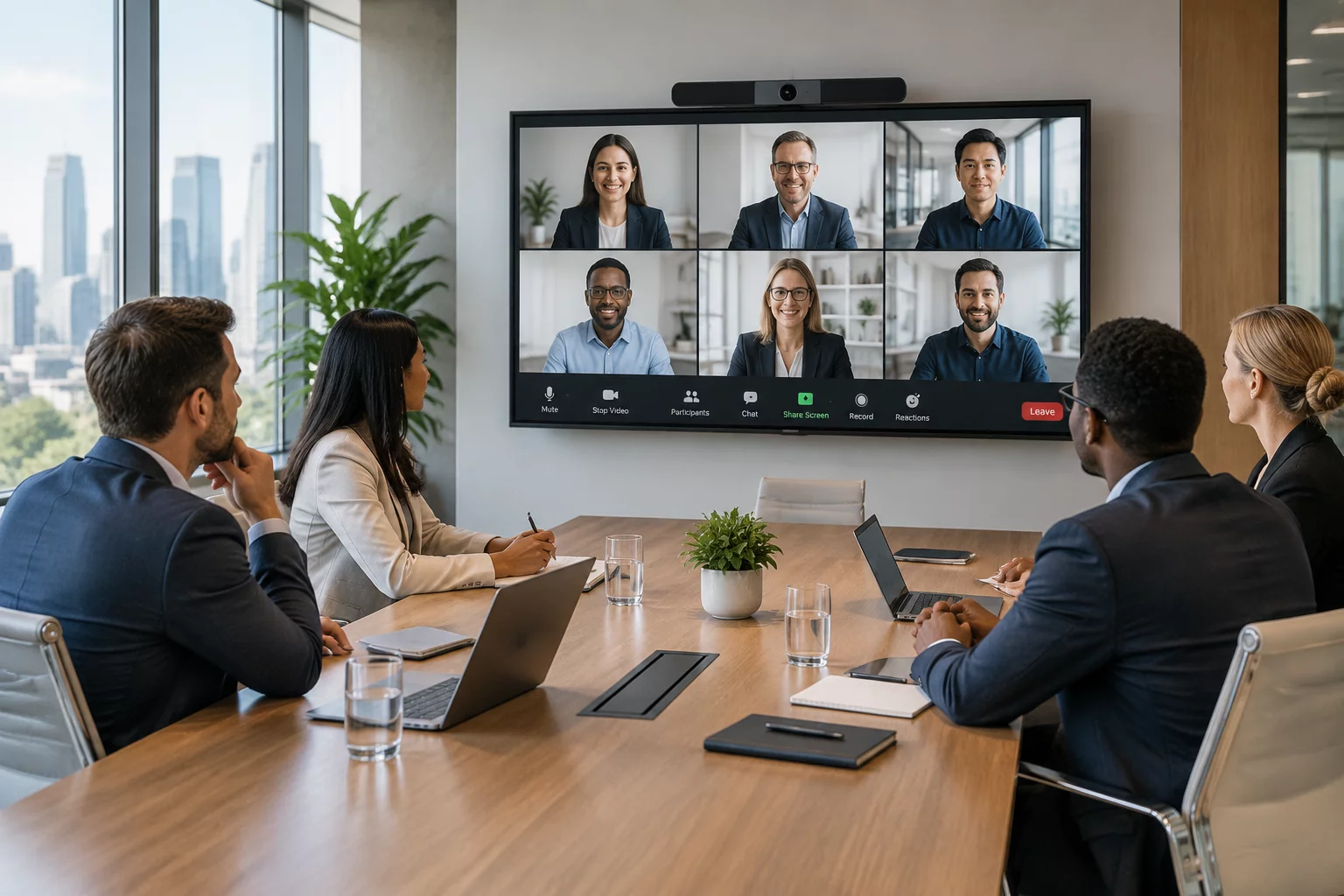
 Attendance Balance
Six People in the Room, Four Joining Remotely
Structure spatial turn-taking, camera angles, and round-robin inputs to prevent in-room bias when the majority sits locally.
Explore practical meeting scenarios covering remote participation, discussion structure, shared attention, meeting roles, and collaborative decision-making.

Seven themes that structure how hybrid meetings give everyone a way to contribute.
We bring room setup, facilitation, and participation rules together so remote and in-room colleagues can contribute on equal terms.
Align cameras, microphones, and displays so remote participants can see and be heard.
Use clear agendas, speaking sequences, and decision points to keep meetings focused.
Give in-room and remote voices equal visibility throughout every session.
Six colleagues sit in a conference room; four join remotely. The room talks; the remote members watch the presentation but struggle to join the discussion. HybridSeat Method studies how to change the meeting's structure, assign roles, and make the sequence of discussion clear to every participant.
Our main mechanic is the Participation Map: every publication pairs a learning situation with a visual scheme of how in-room and remote participants interact across the stages of a meeting.
Step-by-step blueprints designed to bridge the physical and virtual divide.
Attendance BalanceStructure spatial turn-taking, camera angles, and round-robin inputs to prevent in-room bias when the majority sits locally.
 Shared Artifacts
Align synchronous digital boards with physical prints so remote participants annotate and collaborate at the exact same speed.
 Failsafe Protocols
Instant fallback protocols to capture asynchronous voice inputs and maintain agenda velocity during sudden network disruptions.
 Channel Control
Techniques for managing side chatter, parallel chat streams, and room crosstalk without losing participant energy.
How meeting platforms and room setups shape who gets seen, heard, and included in hybrid discussions.
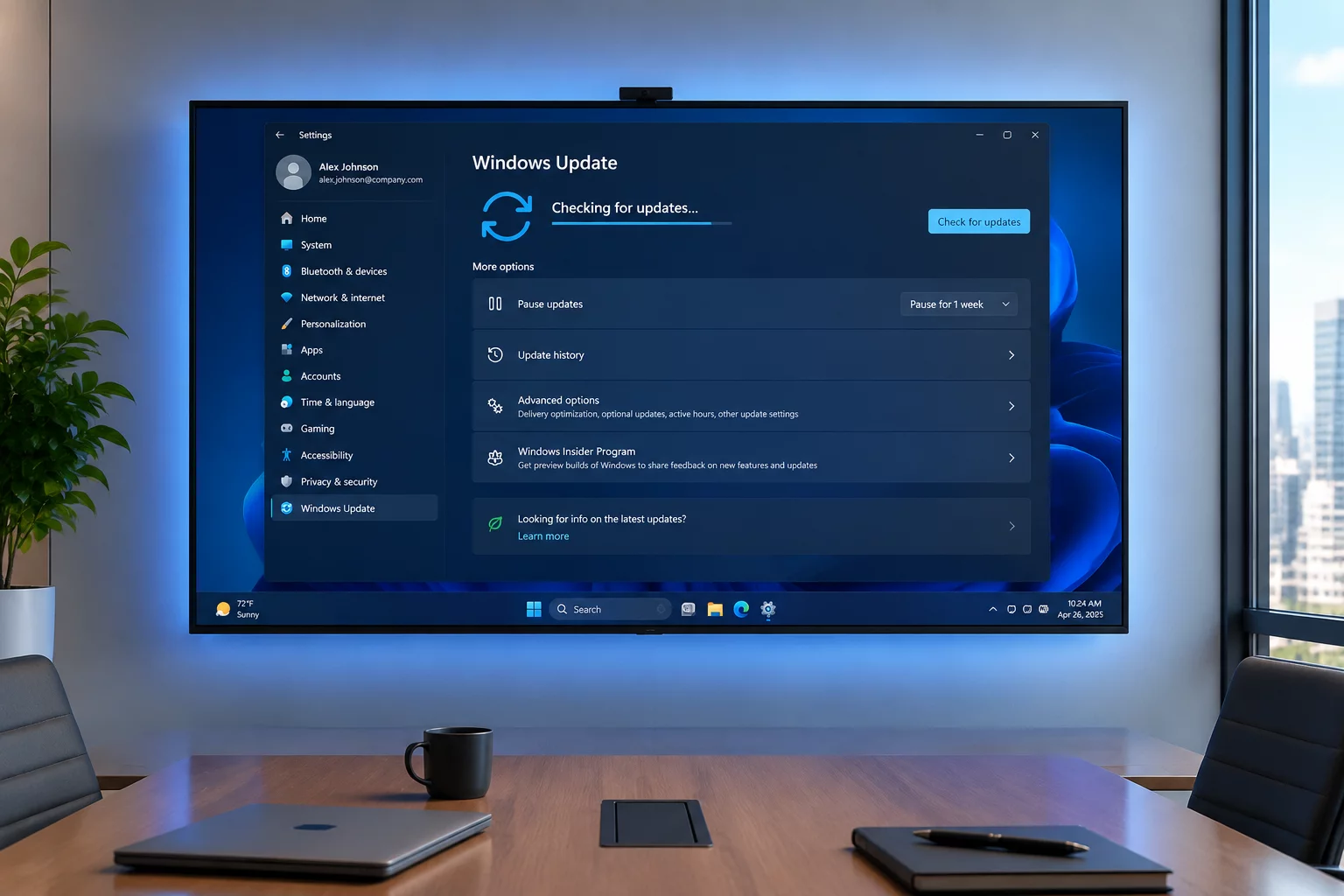 Room Updates
How a room software update changes speaker visibility and facilitation speed for remote participants.
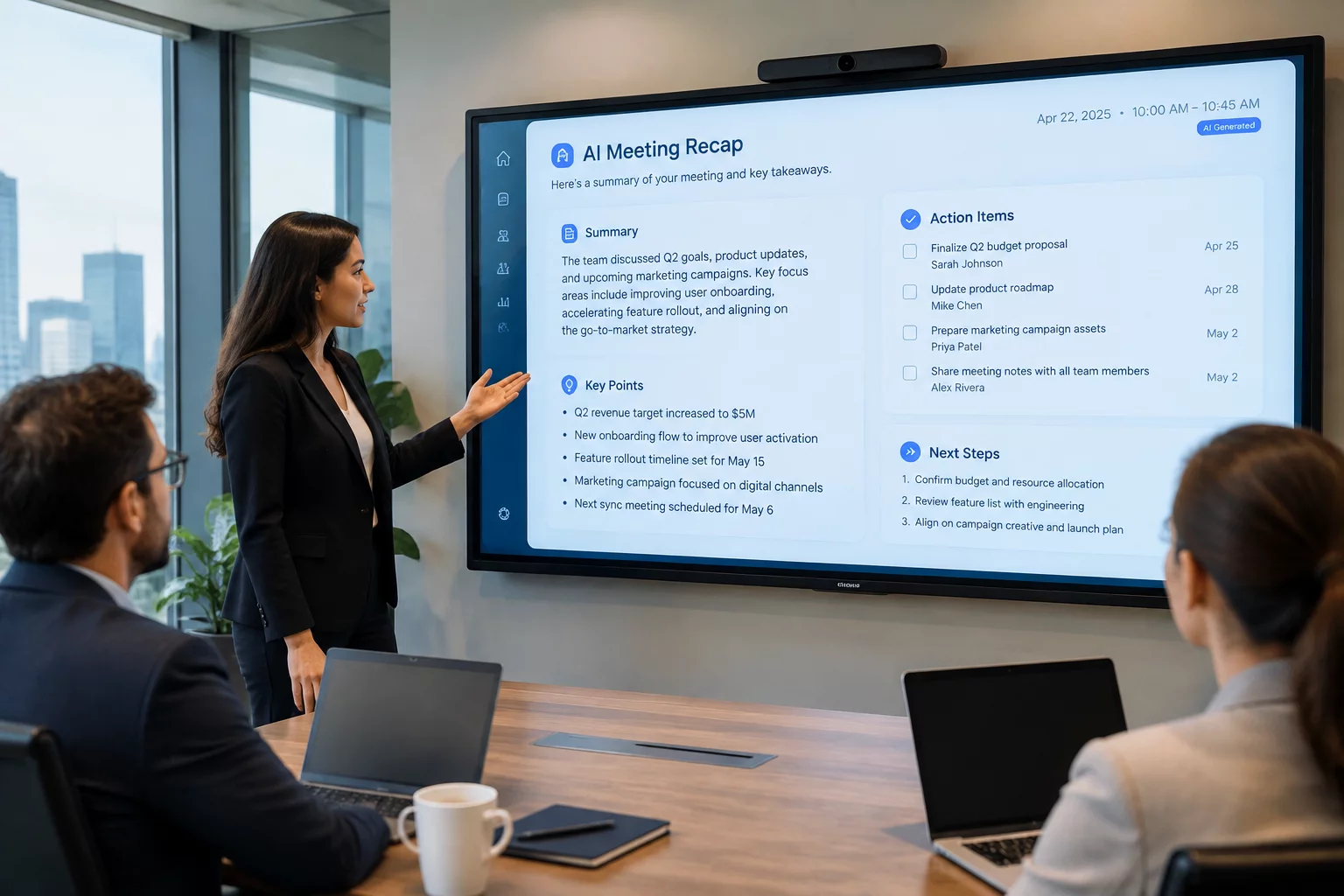 Shared Records
How automatic summaries give remote and absent members the same written record as the room.
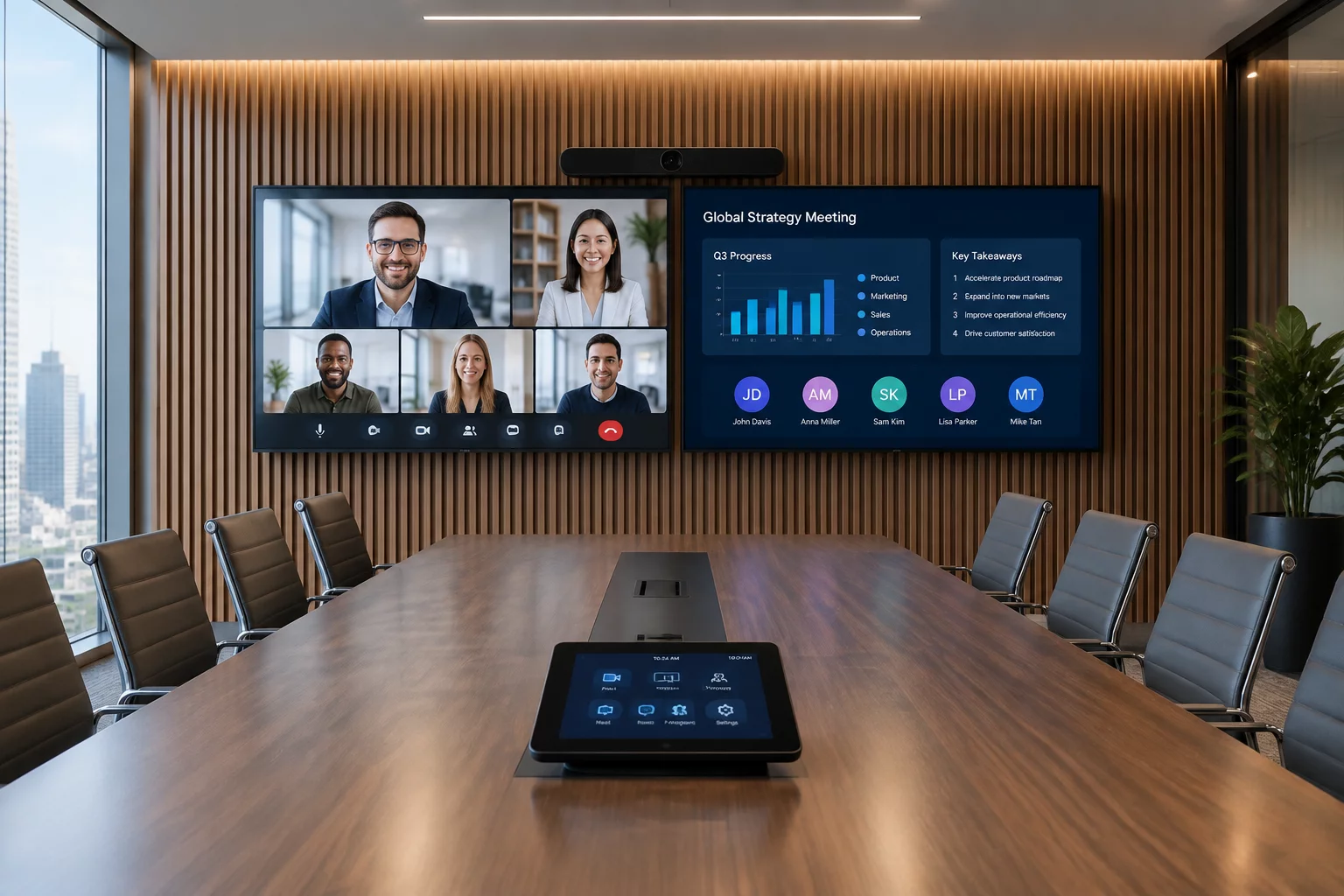 Open Access
How cross-platform joining decides whether external guests enter the same discussion as the room.
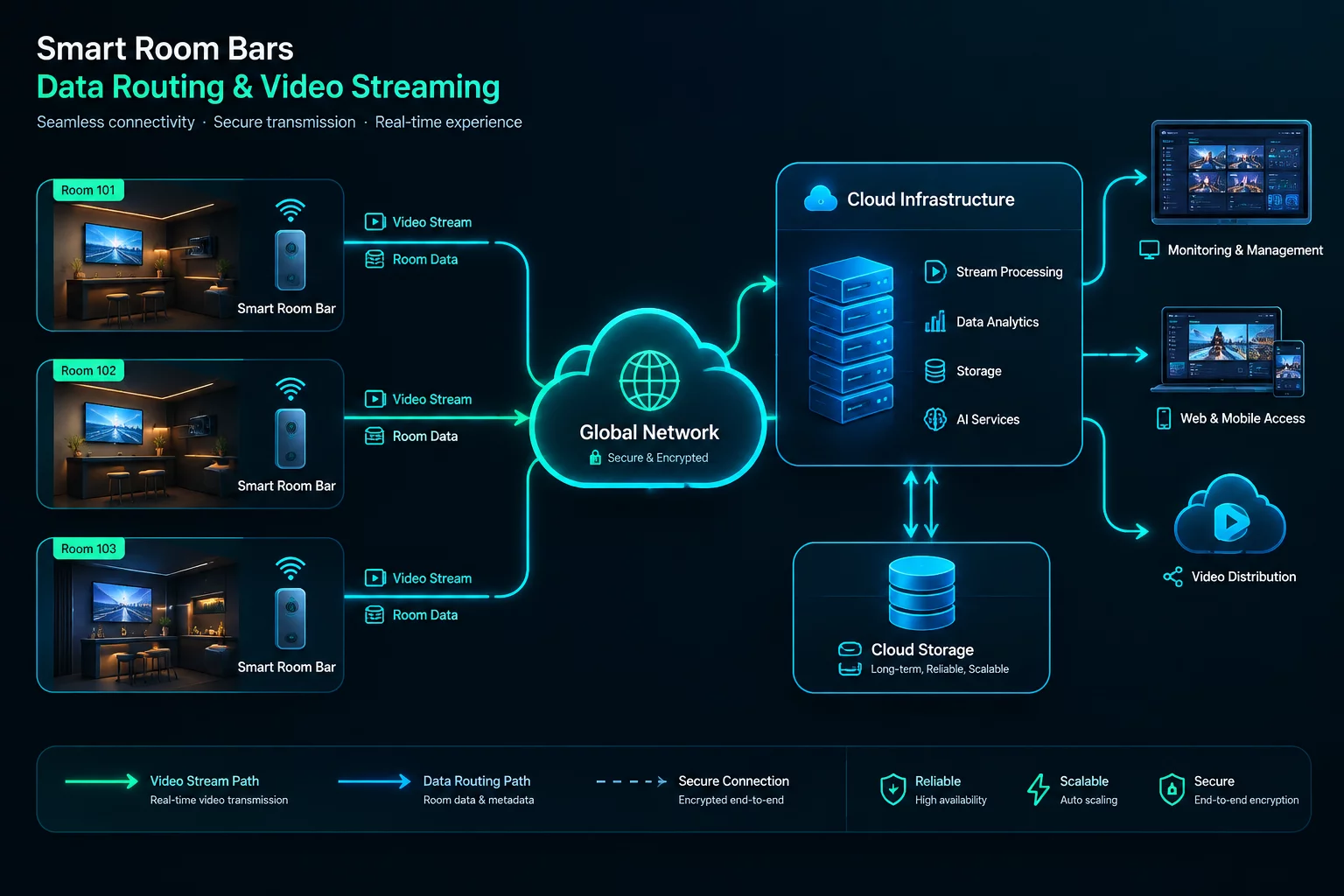 Voice Access
How rooms can call out to include participants who cannot join by video at all.
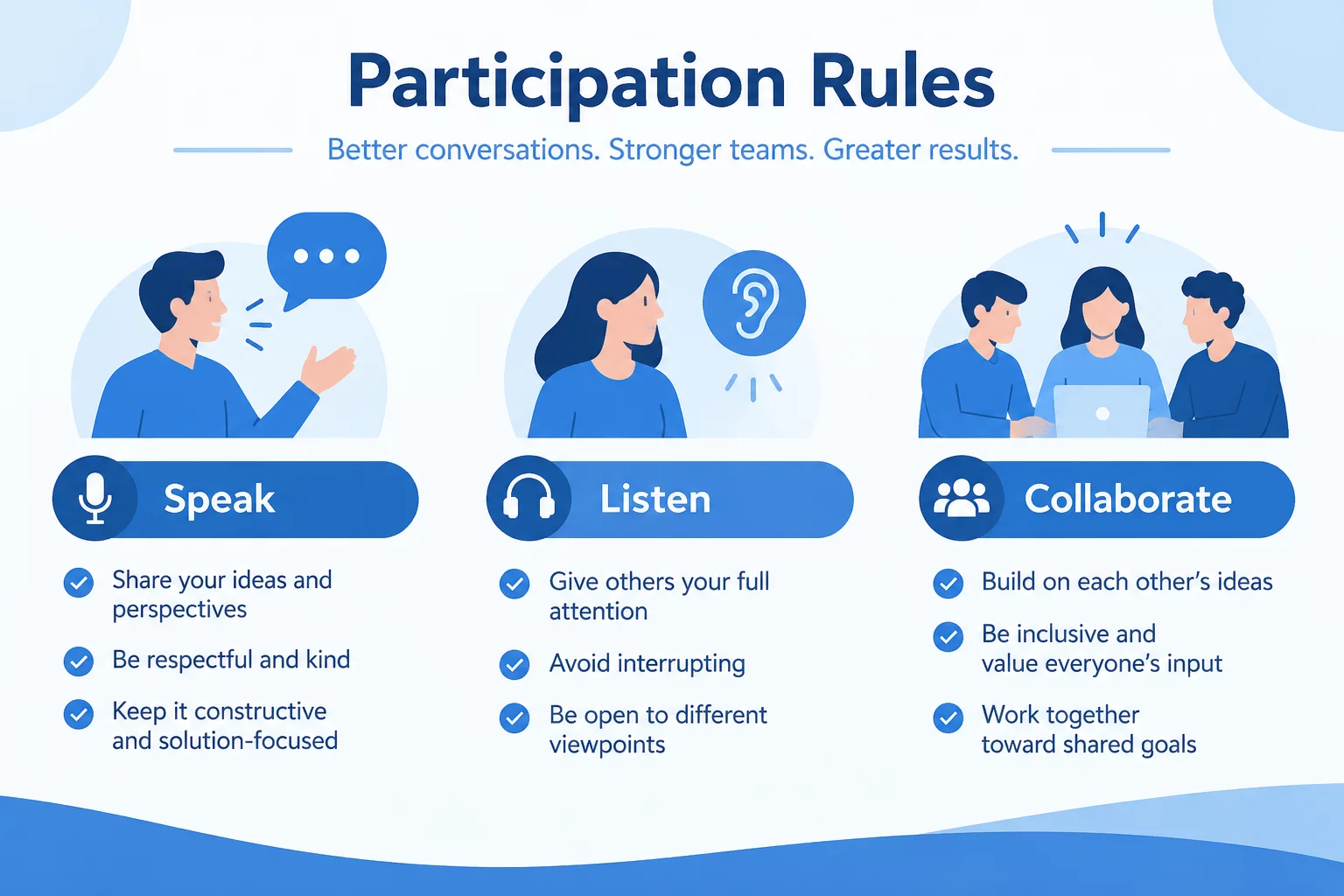 Article
Structured speaking protocols and transparent interaction guidelines bridge the engagement gap between in-room and remote attendees.
 Article
Active digital orchestration ensures conversations flow seamlessly without room dominance or sidelined virtual participants.
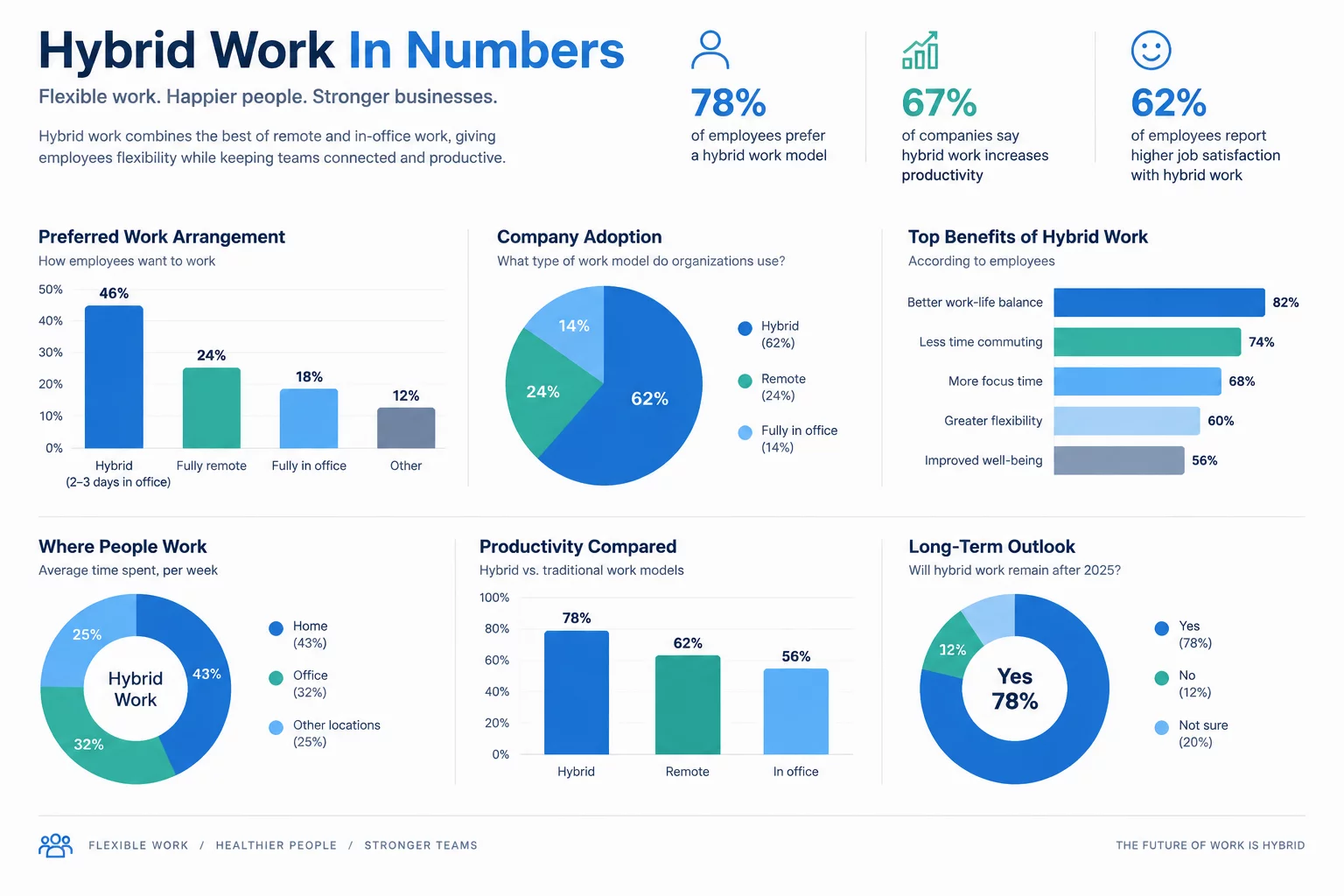 Report
Key statistical findings on team collaboration patterns, technological barriers, and shifting workplace preferences across distributed teams.
 Report
Empirical insights on employee burnout mitigation, intentional office collaboration schedules, and remote engagement retention.