Participation Design • 2026-09-28 • Hybrid Work Analyst

Room Updates That Change Who Gets Seen and Heard

What the latest room software changes mean for speaker visibility, facilitation speed, and keeping remote participants in the conversation.

Speaker Framing Managed Rollout Visible Remote Voices

Core Technical Takeaways

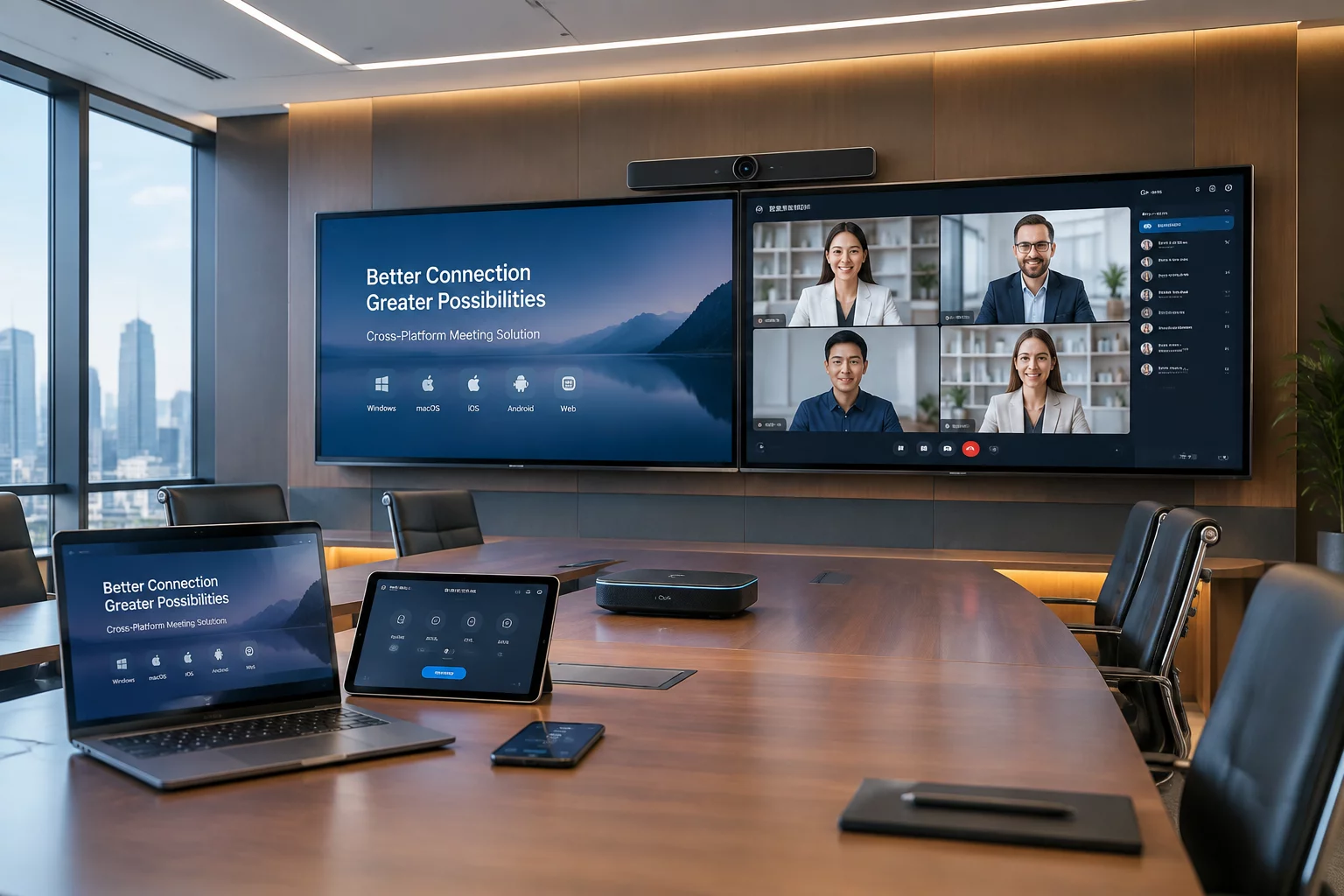
  • Automatic speaker framing now follows the conversation smoothly, so remote attendees always see who is talking.
  • Room health checks catch audio and camera issues before they silently cut remote participants off.
  • Faster room controls mean the facilitator spends less time fighting the panel and more time managing the discussion.
  • Dual-screen rooms stay stable mid-meeting, so remote faces do not disappear when content switches.
Learning Situation

After a software update, remote members suddenly see the room differently—some speakers stop being framed. The facilitator audits the update through one question: does it change who gets heard?

Participation Map

How Participants Interact Across the Session

In-Room Participants Remote Participants Facilitator
Rollout
In-RoomRooms receive the update in stages
RemoteMeet a clearer, more stable view
FacilitatorChecks remote view in each room
Discussion
In-RoomAre framed smoothly when speaking
RemoteWatch clean speaker transitions
FacilitatorKeeps pace with the conversation
Screen Share
In-RoomPresent content without blackouts
RemoteKeep visual context during switches
FacilitatorPauses if a remote signal drops
Session Health
In-RoomSee whose mic is actually live
RemoteStay audible through the whole call
FacilitatorFixes dead channels before they matter
Participation Impact

What This Update Changes for Shared Discussions

Each room update quietly changes the meeting experience: how fast the camera finds the speaker, whether remote faces stay visible when slides start, how quickly a facilitator can adjust the layout. This release is examined through that lens—what actually changes for the people trying to follow and join the discussion.

For facilitators, the practical gains are responsiveness and predictability. Switching speakers, layouts, or shared content no longer stalls the interface, so the moderation flow keeps pace with the conversation instead of lagging behind it.

Coverage

Where It Applies

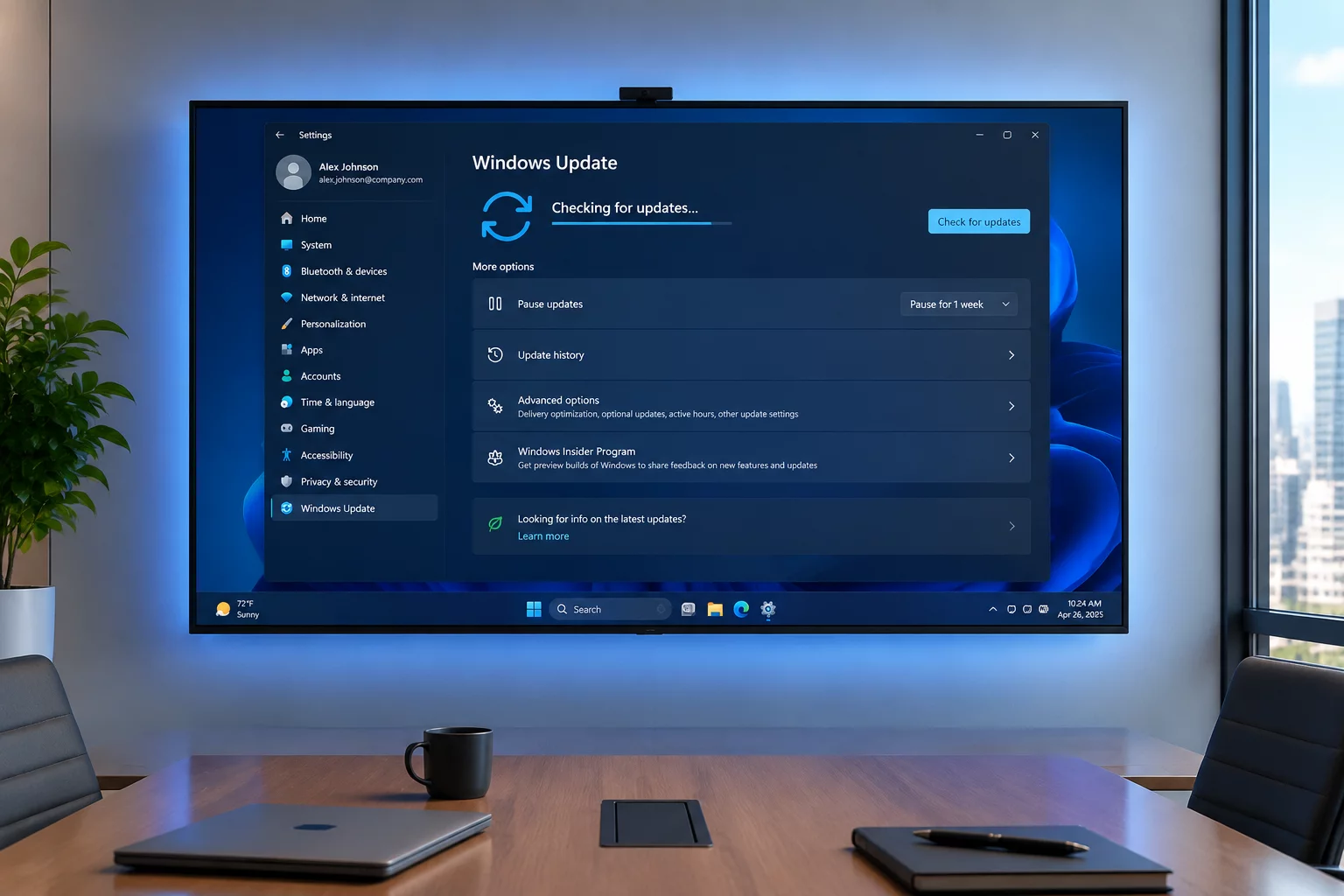
The update reaches managed room systems in stages. Organizers should check which rooms have it before assuming every space offers remote participants the same view.

What This Means for Participants

Applies To Windows-based shared meeting rooms
Availability Rolling out to managed rooms in stages
Remote View Stable remote video alongside shared content
Rollout Control Managed update across your room fleet
In Practice

What Facilitators Notice in Mixed Meetings

In mixed rooms, the update shows up as smoother speaker transitions for remote attendees and quicker layout control for the moderator—small delays removed from the moments where remote participants either stay engaged or drift.

  • Screen sharing no longer blacks out remote video mid-presentation.
  • Clear indicators show whose voice is being picked up, helping moderators spot a dead microphone before remote attendees go silent.
  • Chat and whiteboard sit beside remote faces instead of replacing them.
Reviewing How Your Rooms Treat Remote Participants?

Get an expert review of how your meeting rooms frame, hear, and include remote voices.

Meeting Design

Discuss Your Meeting Room Setup

Describe your rooms and meeting formats for tailored participation suggestions.