Planning a Hybrid Project Workshop
A systematic facilitation blueprint to align in-room and remote contributors during intensive project kickoffs, design sprints, and strategic planning sessions.
Bridging the Physical-Digital Divide in Collaborative Sessions
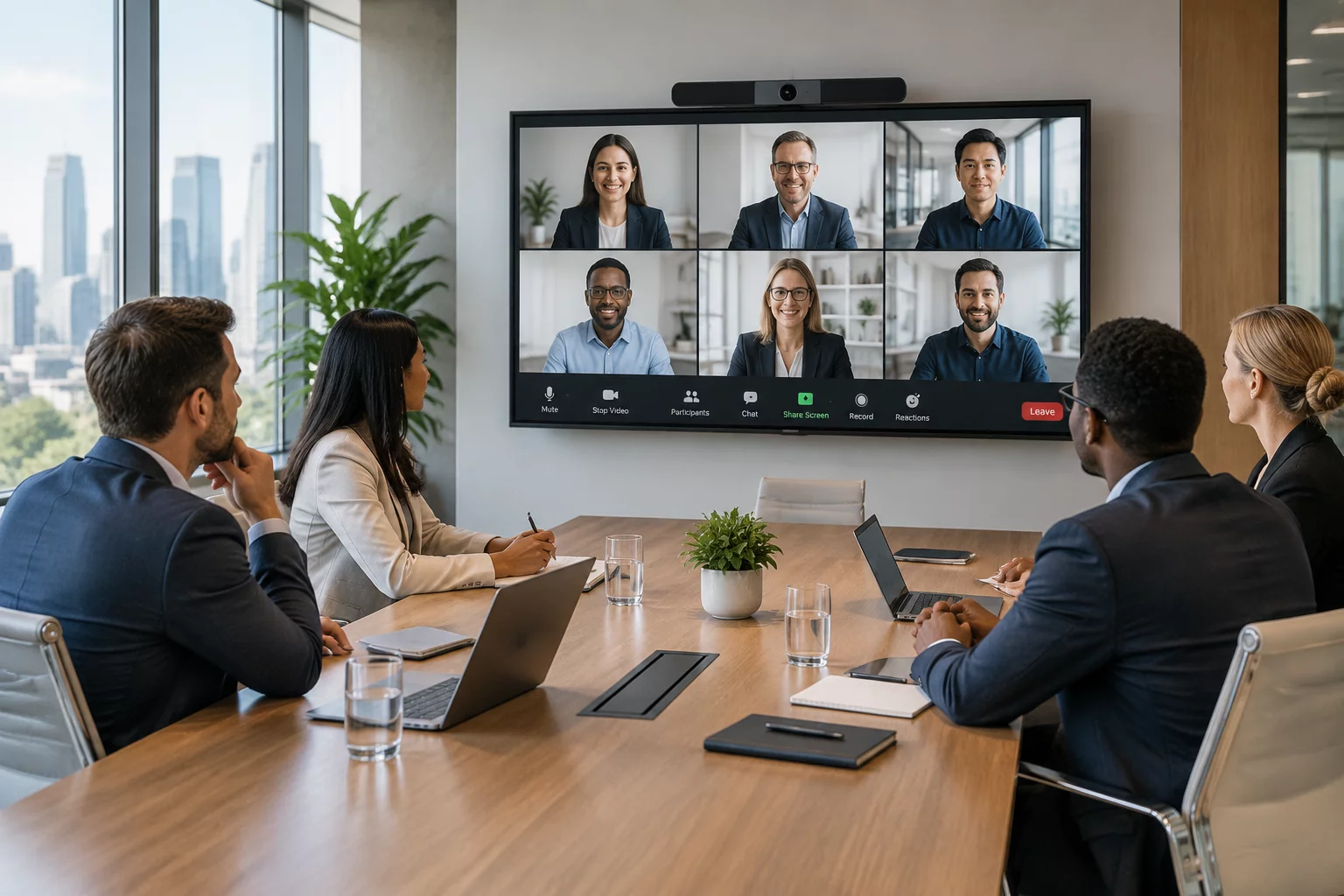
Intensive project workshops frequently stumble when team members split across physical conference rooms and remote video links. Without deliberate structural scaffolding, in-person attendees dominate whiteboard discussions and quick side-conversations, leaving remote specialists isolated as passive observers rather than co-creators.
The Hybrid Project Workshop Methodology establishes digital-first working canvases, synchronized breakout pods, and strict co-facilitator handoffs. By moving all artifact generation and active ideation into shared cloud spaces, teams achieve equal cognitive load, rapid consensus, and tangible project milestones without location bias.
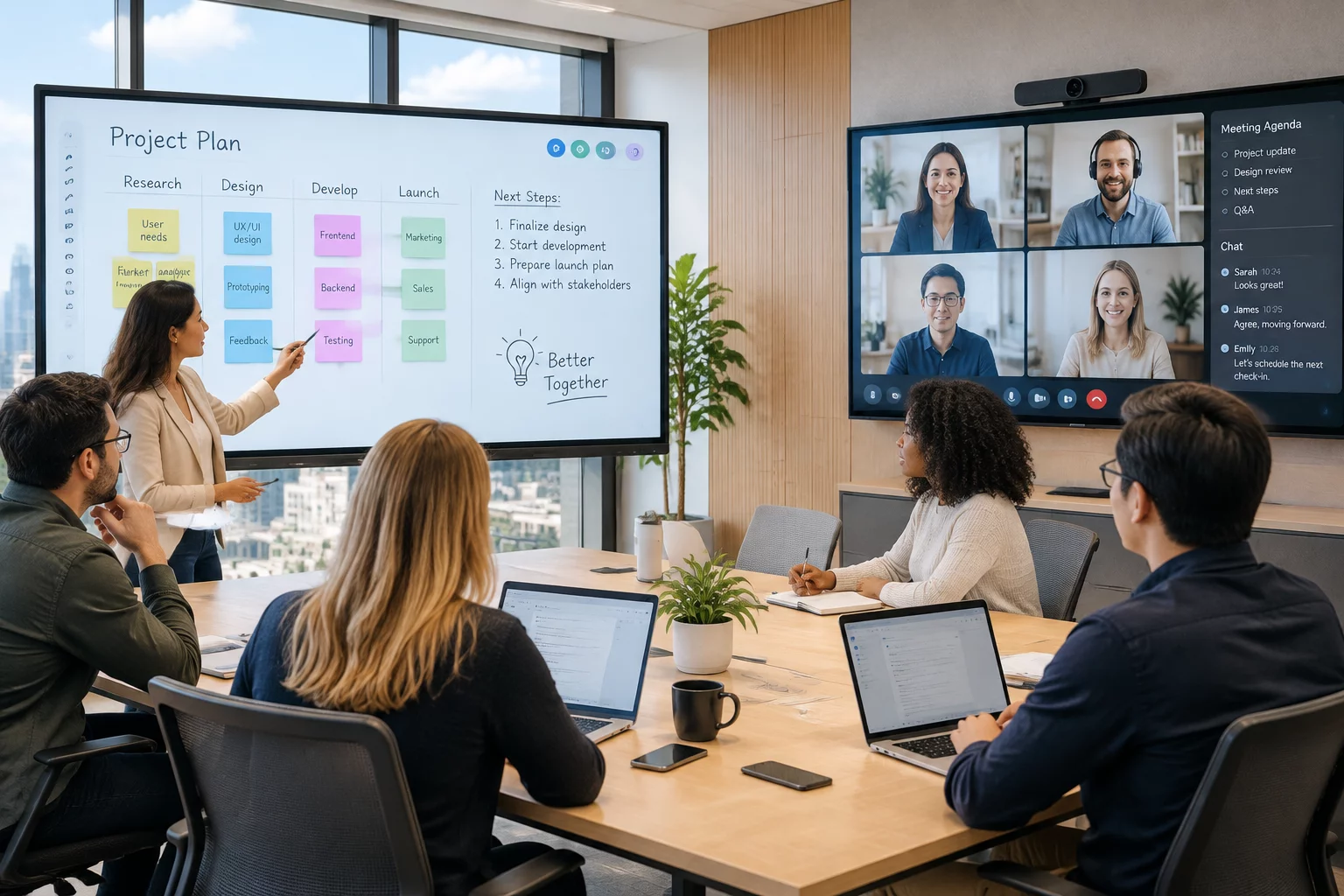
A team must plan a quarter of work in one hybrid workshop—half the team on site, half remote. The workshop is designed so ideation, prioritization, and ownership happen with both groups on equal footing.
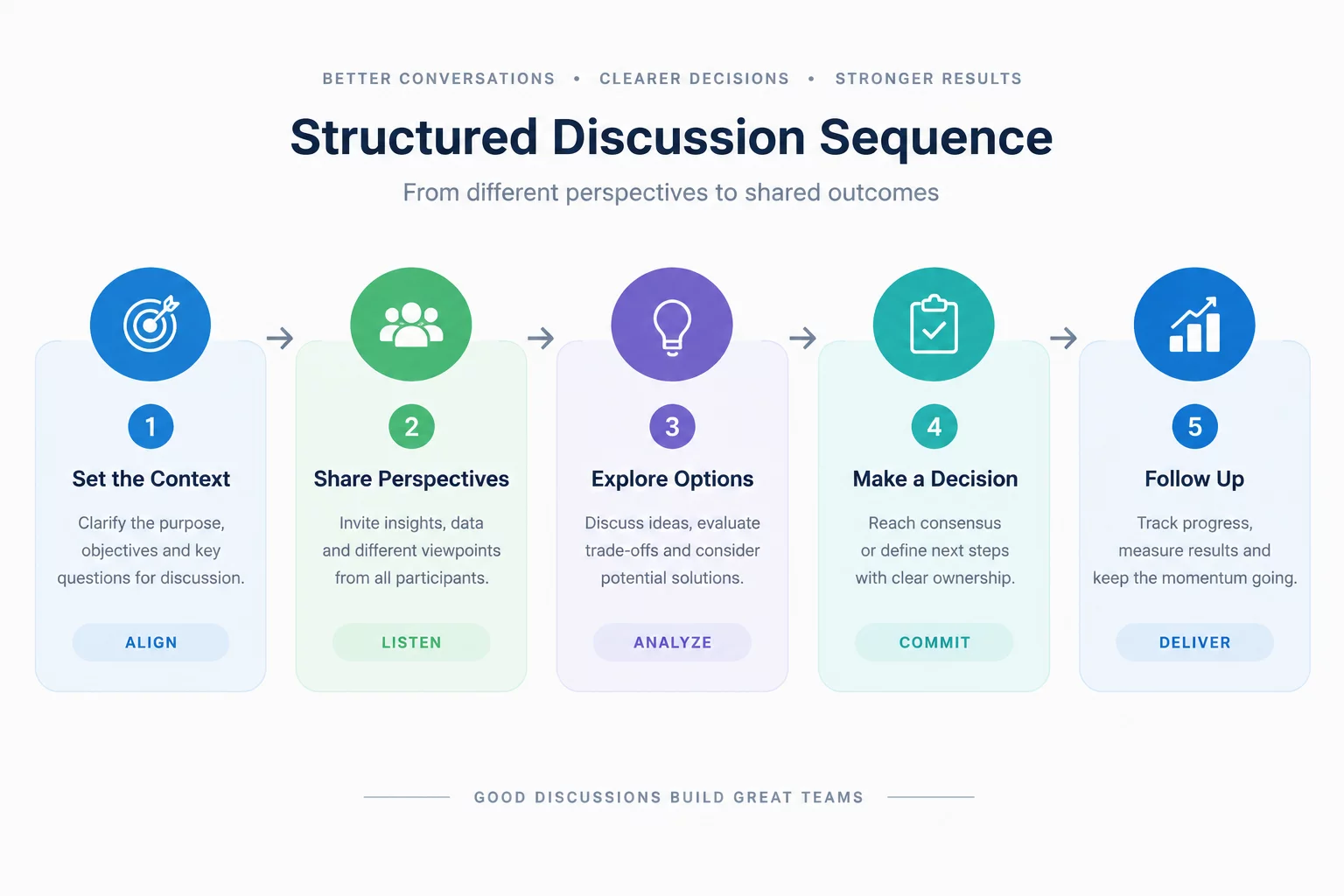
How Participants Interact Across the Session
Hybrid Workshop Operational Framework
Core technical and procedural standards required to prepare, execute, and document collaborative project sessions across distributed environments.
| Framework Dimension | Protocol Specification |
|---|---|
| Workspace Architecture | Single cloud canvas (Miro/Mural) mirrored on room touchscreens and individual laptops |
| Audio & Voice Capture | Ceiling beamforming mic arrays with individual mute-sync and dedicated remote chat monitor |
| Visual Immersion | Dual screen display: gallery view of remote team + shared dynamic canvas at 4K |
| Facilitation Hierarchy | Dual-moderator model: 1 Room Lead guiding flow + 1 Digital Host managing remote chat and cues |
| Pacing & Cadence | 45-minute sprint blocks interspersed with 10-minute tactile/digital async reflection pauses |
| Consensus & Synthesis | Anonymous digital dot-voting and immediate exportable backlog documentation |
Core Operational Protocols for High-Yield Hybrid Workshops
Executing an intensive working session requires shifting from traditional presentation modes into highly coordinated co-production. When half the room is seated around a boardroom table and the other half logs in via laptop screens, every working artifact must originate in the digital layer. In-person participants open their own devices for writing and diagramming, ensuring that no physical post-it note creates an information asymmetry for remote members.
Four Key Implementation Steps for Project Leaders
- Establish Digital Artifact Primacy: Ban physical flipcharts and marker boards unless equipped with live digital whiteboard capture cameras that feed directly into the primary video stream.
- Assign a Dedicated Remote Co-Host: Deploy a digital facilitator whose sole responsibility is elevating virtual hand-raises, monitoring chat nuances, and advocating for offsite participants during rapid brainstorming.
- Structure Mixed Breakout Pods: Group in-room and remote attendees into dedicated sub-teams using individual headsets or dedicated mini-huddle alcoves to prevent cross-room audio interference.
- Implement Timeboxed Silent Ideation: Kick off problem-solving rounds with five minutes of silent digital card generation before open vocal debate, neutralizing in-room conversational momentum.
Following these operational disciplines transforms hybrid workshops from exhausting compromise sessions into crisp, high-output collaboration engines. The resulting alignment documentation remains immediately accessible to all stakeholders without requiring tedious post-meeting transcription or synthesis delays.
Frequently Asked Questions
Practical advice for organizers tackling complex hybrid planning sessions and team alignment sprints.
In-room side conversations are the primary source of fatigue and exclusion for remote team members. Address this by enforcing the 'one live voice' protocol and positioning the room microphone array prominently. The digital co-host should actively signal the room moderator whenever background murmurs compromise remote audio clarity.
Yes, individual laptops are mandatory for all in-room participants during hybrid workshops. Attendees use laptops with muted audio and disabled cameras to interact with the shared digital whiteboard, vote on sprint items, and submit written reflections in real time, guaranteeing equal creative input.
Hybrid workshops should not exceed three to four hours in a single day. Virtual fatigue sets in much faster than in-person fatigue. Divide complex multi-day projects into modular 3-hour morning blocks with focused pre-work and asynchronous follow-ups in the afternoon.
Related Meeting Methodologies