The Shift from Reactive Experiments to Established Frameworks
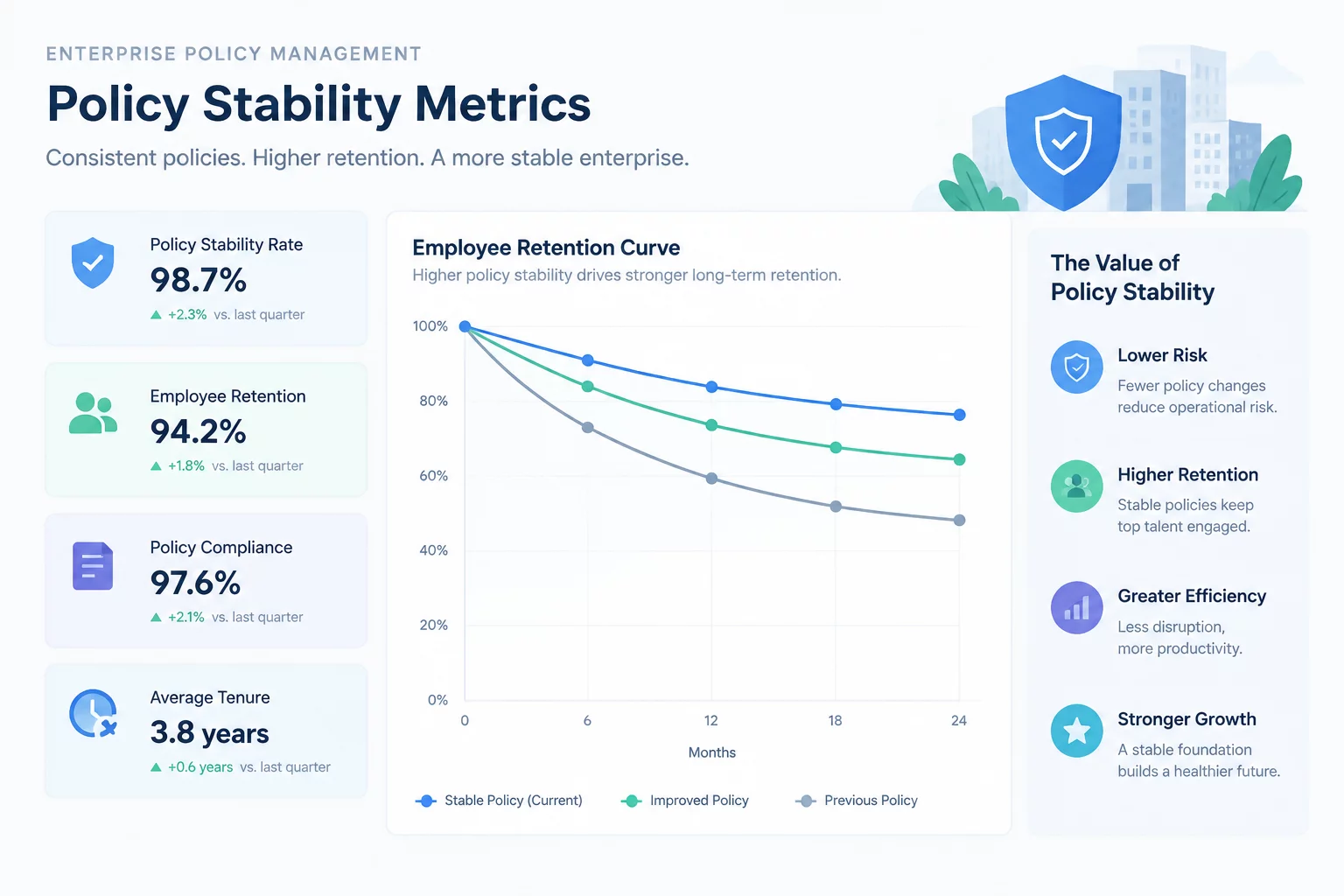
Corporate workplace strategies have shifted dramatically from rapid trial phases toward permanent operational frameworks. The initial uncertainty surrounding hybrid models has given way to structured schedules designed to maximize productivity without destabilizing team cohesion. Forbes research highlights that organizations with documented, transparent attendance guidelines experience significantly lower turnover rates and higher project execution speeds.
Rather than enforcing uniform top-down quotas across diverse departments, high-performing organizations empower functional units to define clear collaborative norms. When team members understand exactly which days require in-person participation and which allow autonomous remote focus, planning friction disappears.
Structural Pillars of Hybrid Policy Stability
- Schedule Predictability: Fixed anchor days eliminate daily commute guesswork and enhance cross-functional attendance.
- Meeting Equity Protocols: Standardized digital whiteboards and active moderation balance in-room and remote contributions.
- Asynchronous Documentation: Meeting recordings, structured briefs, and clear action logs keep distributed team members aligned.
- Continuous Feedback Cycles: Quarterly operational reviews allow teams to adjust space allocations without disrupting overarching policies.
Eliminating Ambiguity in Distributed Collaboration
Ambiguity remains the primary adversary of effective hybrid collaboration. When workplace expectations are vague, employees experience proximity bias, where in-person participants inadvertently dominate conversations and decision-making pipelines. Structured hybrid policies eliminate this imbalance by requiring standardized moderation rules and dedicated digital facilitation tools.
Forbes analysts emphasize that stability does not imply rigidity. A resilient corporate policy outlines standard operating rhythms while providing flexibility for deep individual focus. This balance protects organizational culture while supporting sustained high performance across hybrid workforces.
Sustainable hybrid models succeed not through rigid surveillance or arbitrary quotas, but through dependable rhythms and intentional collaboration design.— Forbes Leadership Council Report
Measuring Policy Performance and Meeting Equity
Evaluating hybrid policy success requires looking beyond badge-swipe data toward tangible collaboration outcomes, participant satisfaction, and operational efficiency. The following benchmark outlines key standards across enterprise working environments:
Hybrid Operational Equilibrium Matrix
| Dimension | In-Room Standard | Remote Standard | Expected Outcome |
|---|---|---|---|
| Turn-Taking & Voice Equity | Raised digital hands before speaking | First priority in open discussion queues | 42% increase in remote contribution |
| Collaborative Documentation | Direct input via shared cloud boards | Parallel real-time document editing | Zero post-meeting alignment lag |
| Meeting Pacing & Breaks | Hard 45-minute cap with 15-min buffers | Scheduled screen-fatigue intervals | 28% reduction in cognitive fatigue |
By institutionalizing these standards, enterprises build resilient operational environments where remote and co-located team members collaborate seamlessly on strategic objectives.