Macroeconomic Hiring Pressures and Attendance Demands
Return-to-office mandates have emerged as a primary friction point between corporate leadership and specialized talent pools across finance, technology, and operational sectors.
Data from Robert Half labor intelligence indicates that while executive leadership seeks in-person cohesion, blanket mandates without functional purpose generate substantial employee pushback. When organizations demand physical presence simply for visual monitoring, high-performing employees seek alternative roles offering structured autonomy.
Critical Employment Metrics Across Professional Services
- Compensation Parity vs. Flexibility: 64% of surveyed knowledge workers would accept a moderate pay freeze over an inflexible five-day on-site requirement.
- Hiring Velocity Differentiation: Companies advertising transparent hybrid parameters fill open specialized requisitions 18 days faster than full-office competitors.
- Middle Management Strain: 72% of frontline team managers express frustration enforcing RTO compliance without upgraded collaborative meeting infrastructure.
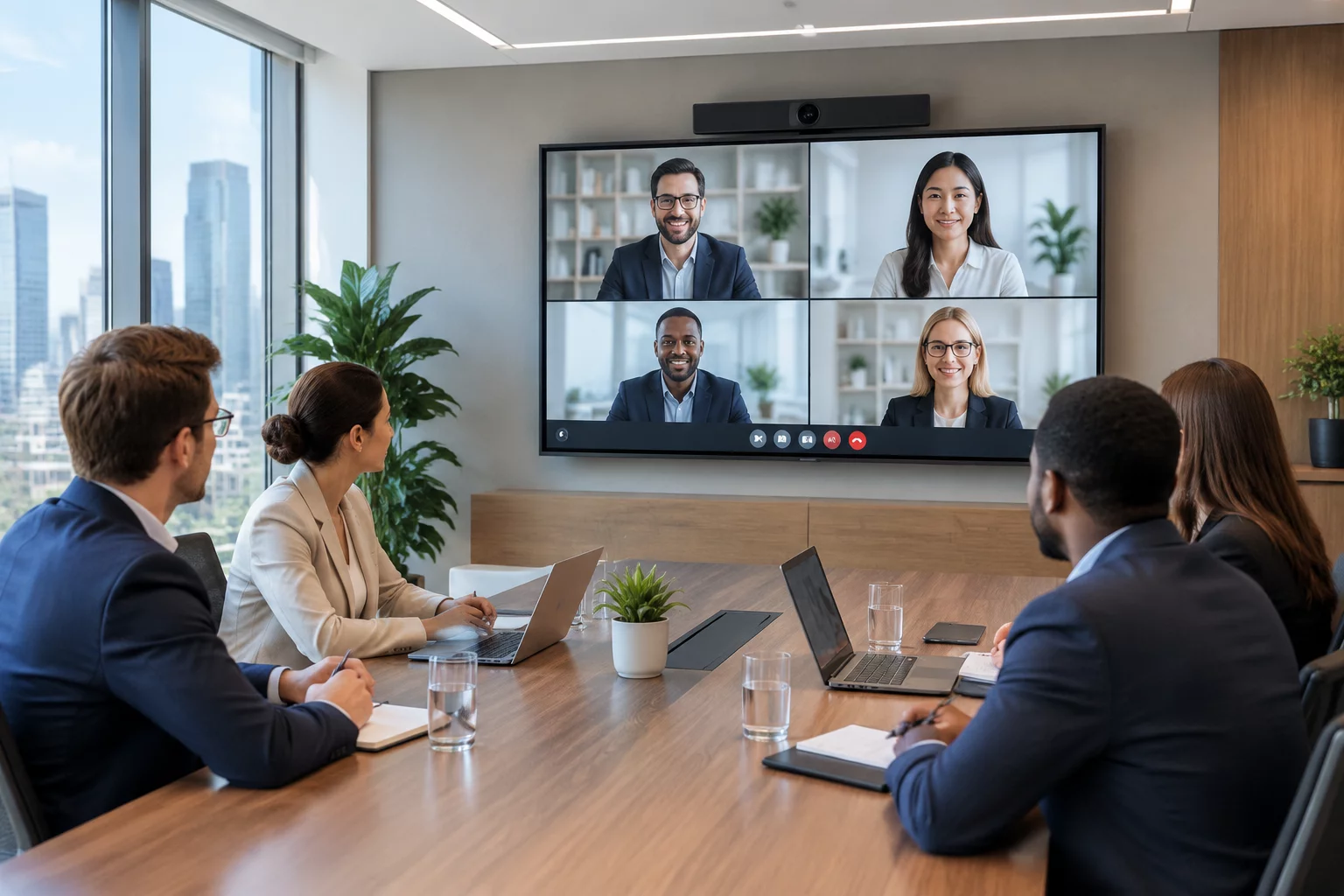
- Presence Disparity Trap: On-site workers in unmoderated hybrid meetings dominate 70% of spoken airtime, driving remote team disenfranchisement.
Navigating the Operational Gap in Return-to-Office Strategies
The core challenge identified in Robert Half surveys is not physical location itself, but the lack of purposeful design during on-site days. Employees commuting to an office only to sit on standard individual video calls for eight hours perceive RTO policies as arbitrary and counterproductive.
Successful implementation requires treating the physical office as an intentional collaborative studio. Rather than measuring badge swipes, high-retention organizations align on-site schedules with structured cross-functional workshops, sprint planning, and synchronized hybrid forums that enforce equal participation.
Return-to-office mandates succeed only when in-person time delivers distinct collaborative value that cannot be replicated individually. Without procedural clarity, attendance enforcement accelerates talent drain.— Robert Half Workplace Research Group
Operational Alignment: Translating Labor Data into Meeting Protocols
To prevent presence disparity and talent disengagement, forward-thinking organizations apply rigorous facilitation standards to every session where in-room and remote staff collaborate.
Hybrid Collaboration Benchmarks for Balanced Teams
| Dimension | In-Room Standard | Remote Standard | Expected Outcome |
|---|---|---|---|
| Discussion Turn-Taking | Structured hand queues via digital console | Equal-weight digital hand elevation | Elimination of in-room talk dominance |
| Visual & Material Sharing | Dual display with dedicated participant feed | Synchronous high-resolution canvas stream | Equal visibility across all attendees |
| Session Governance | Active co-facilitator checking side-chatter | Moderator monitoring chat text queries | 30% increase in cross-channel alignment |
Adopting systematic meeting methodologies allows corporate leaders to capture the genuine benefits of in-person collaboration while protecting talent retention metrics across diverse hiring markets.