The Rapid Expansion of Blended Remote Work
The Washington Post documented a prominent shift across North American and European workplaces where professionals combine family vacations with full productive work weeks. Rather than disconnecting completely, workers log on from rental villas, coastal retreats, or mountain cabins.
This evolving lifestyle option brings measurable morale advantages, yet it exposes weaknesses in unstructured hybrid meeting routines. When team members operate from unstable broadband connections or non-office settings, typical informal conversations break down rapidly.
Core Behavioral Patterns Identified in the Report
- Trip Extension Phenomenon: Average multi-week holiday durations expanded by 35% as staff worked four days remotely while taking one formal leave day.
- Off-Peak Connectivity Issues: Over 42% of traveling staff reported unexpected latency spikes during high-concurrency client conferences.
- Burnout from Unclear Boundaries: Blurring travel and work tasks increased late-night message turnaround among 28% of surveyed knowledge workers.
- Asynchronous Transition: High-performing teams replaced casual standups with structured written check-ins within 48 hours of departure.
Meeting Equity and Operational Challenges on the Road
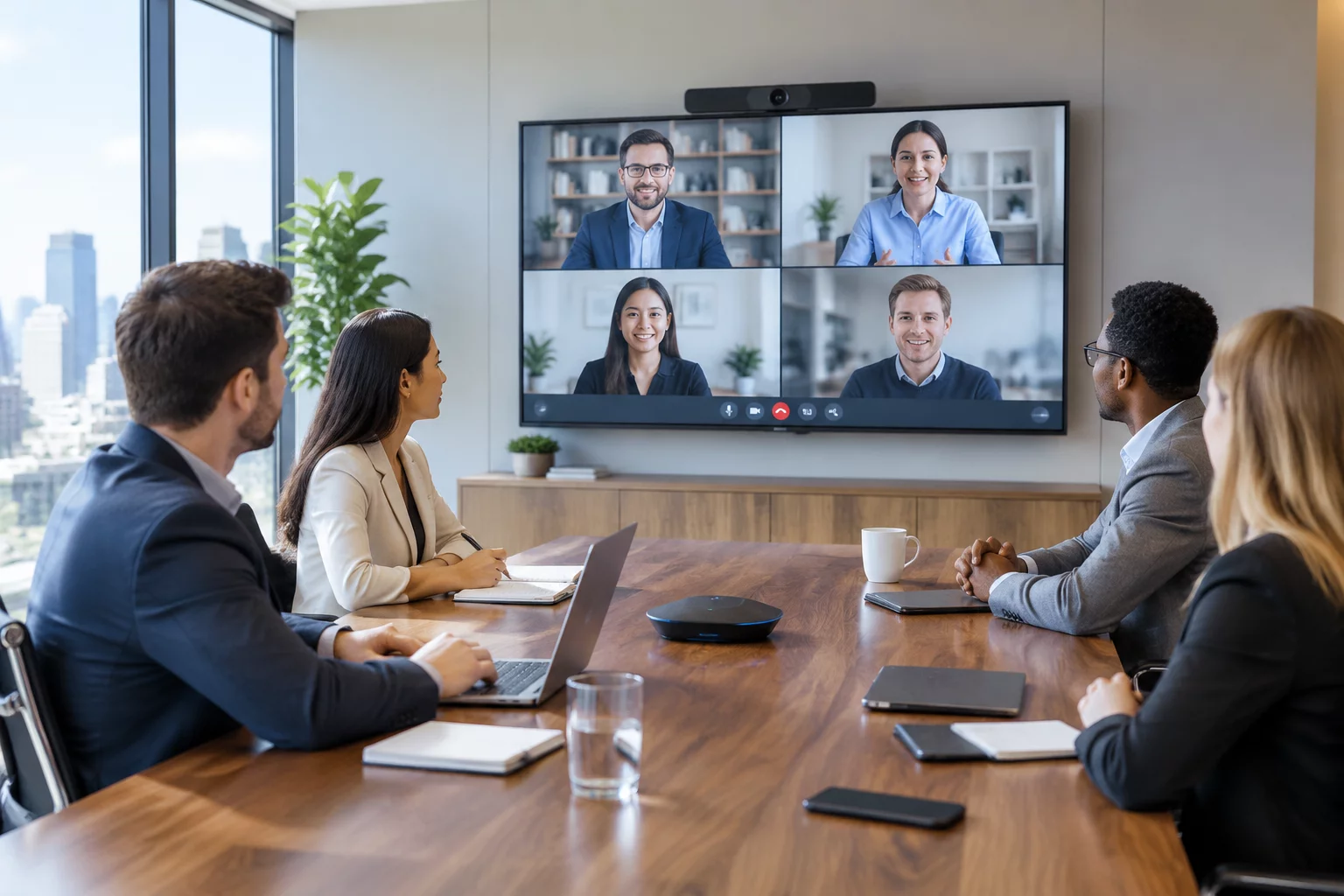
When staff members transition between airports, temporary apartments, and shared coworking hubs, their audio clarity fluctuated drastically. In-room attendees sitting in headquarters boardrooms frequently dominate conversations while roaming colleagues struggle to signal their desire to speak.
Addressing this disparity demands explicit participation frameworks. Teams must establish clear rules regarding digital hand-raising, pre-circulated agendas, and asynchronous decision-making matrices to ensure equal influence across all working locations.
Work-cations are no longer niche perks for freelance consultants; they are standard expectations for modern knowledge workers testing the limits of company policy.— The Washington Post Workplace Insights
Operational Guidelines for Managing Work-cation Collaboration
Organizations that sustain high productivity during extended travel periods rely on disciplined protocols rather than casual assumptions. The matrix below outlines how in-office coordinators and traveling remote workers maintain parity.
Collaboration Parity Framework for Blended Travel
| Dimension | In-Room Standard | Remote Standard | Expected Outcome |
|---|---|---|---|
| Acoustic Environment | Beamforming microphone ceiling arrays | Noise-canceling boom headsets | Zero background interruption |
| Meeting Materials | Interactive whiteboards & shared monitors | Cloud-synchronized canvas apps | Real-time co-authoring |
| Discussion Turn-Taking | Moderator-controlled speaker queues | Virtual hand-raise alerts | Equitable airtime balance |
Implementing these clear boundaries allows enterprises to unlock the retention advantages of location flexibility while safeguarding project momentum and meeting effectiveness.