Empirical Evidence on Remote Team Morale and Interaction Friction
The comprehensive study published in Management Science establishes that remote employee satisfaction is dictated less by physical distance and far more by intentional meeting structures. When organizations treat distributed collaboration as a mere replica of collocated gatherings, remote workers consistently experience cognitive alienation and reduced job fulfillment.
Researchers examined interaction logs, perceived equity scores, and turnover inclinations across 1,200 cross-functional teams. The quantitative data indicates that friction peaks when spontaneous in-room discussions marginalize remote screens, leading to a measurable decline in discretionary effort and overall workplace satisfaction.
Key Empirical Observations from the Dataset
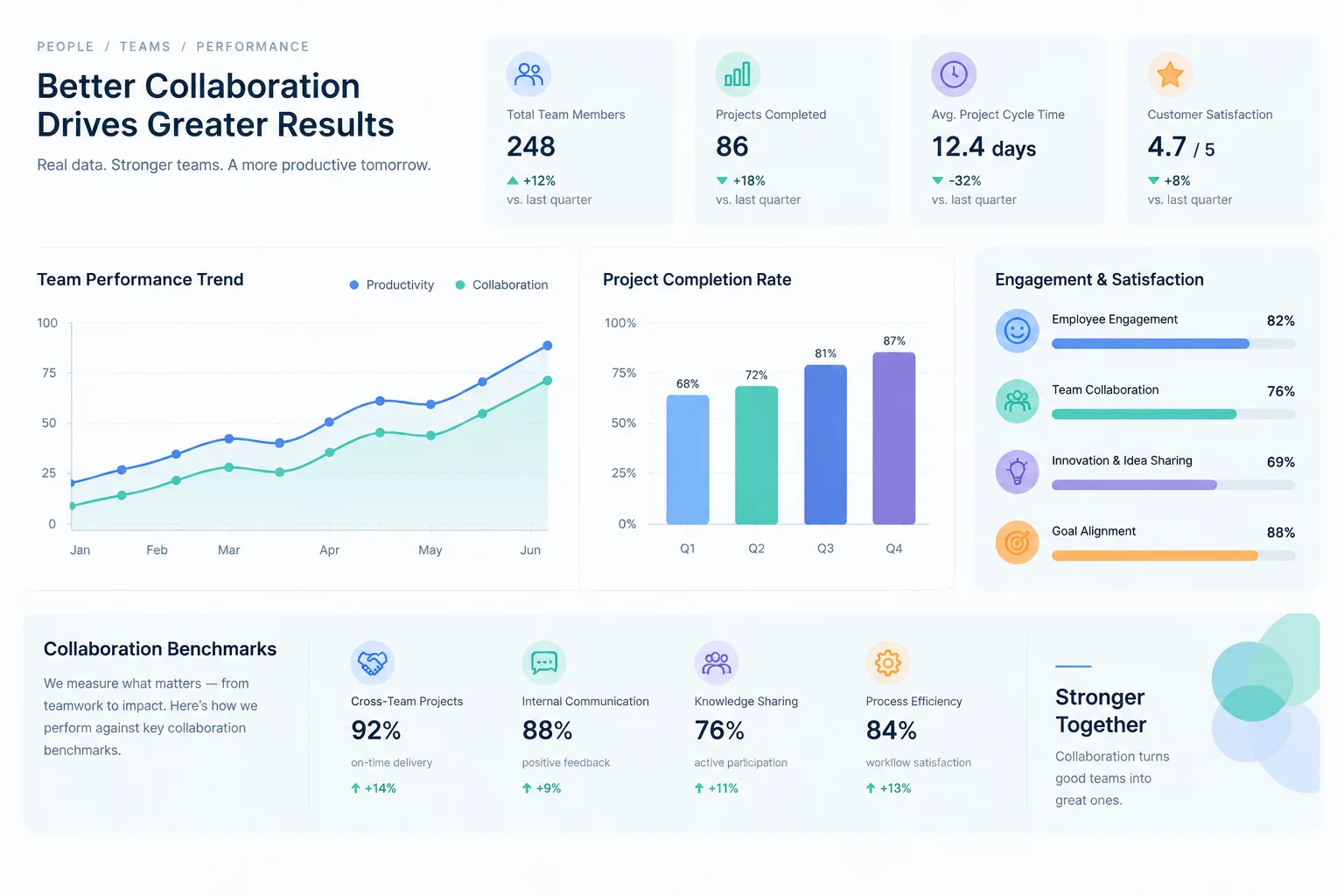
- Meeting Equity Index: Structured hybrid sessions yielded an average 78% equity rating versus 39% in unmoderated open-floor discussions.
- Cognitive Drain Reduction: Teams enforcing 45-minute caps with explicit digital-first agendas reported a 28% decrease in afternoon fatigue spikes.
- Psychological Safety Variance: Remote contributors who were directly cued by moderators displayed a 3.2x higher rate of constructive problem identification.
- Retention Linkage: Satisfaction scores in hybrid collaboration strongly correlated with a 24% reduction in annualized voluntary attrition.
Resolving the Common Asymmetry in Hybrid Collaboration
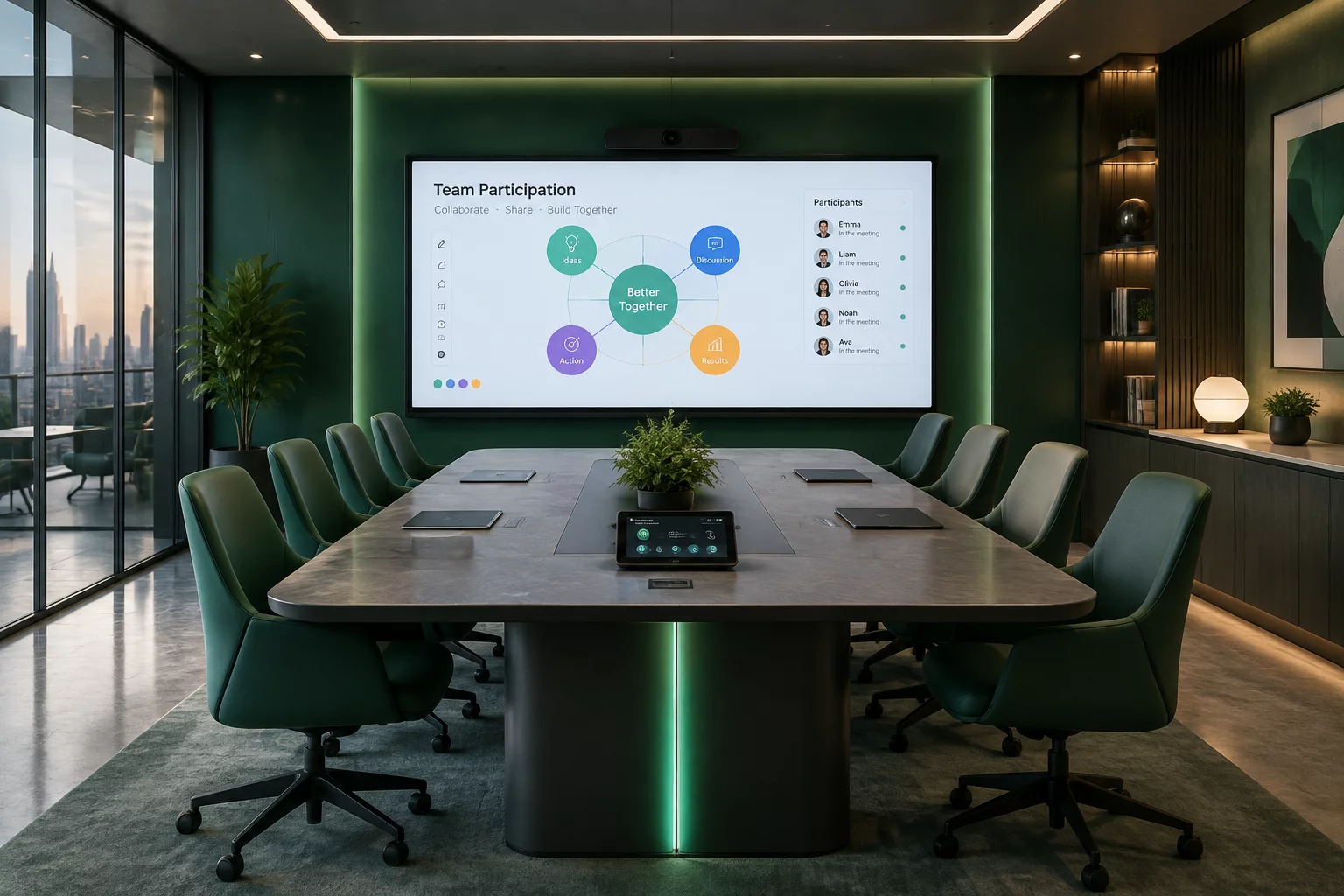
The research points to a primary culprit behind low remote satisfaction: audio-visual isolation. When physical meeting rooms lack dedicated camera tracking or decentralized microphones, remote participants miss subtle social cues and micro-expressions, rapidly generating fatigue.
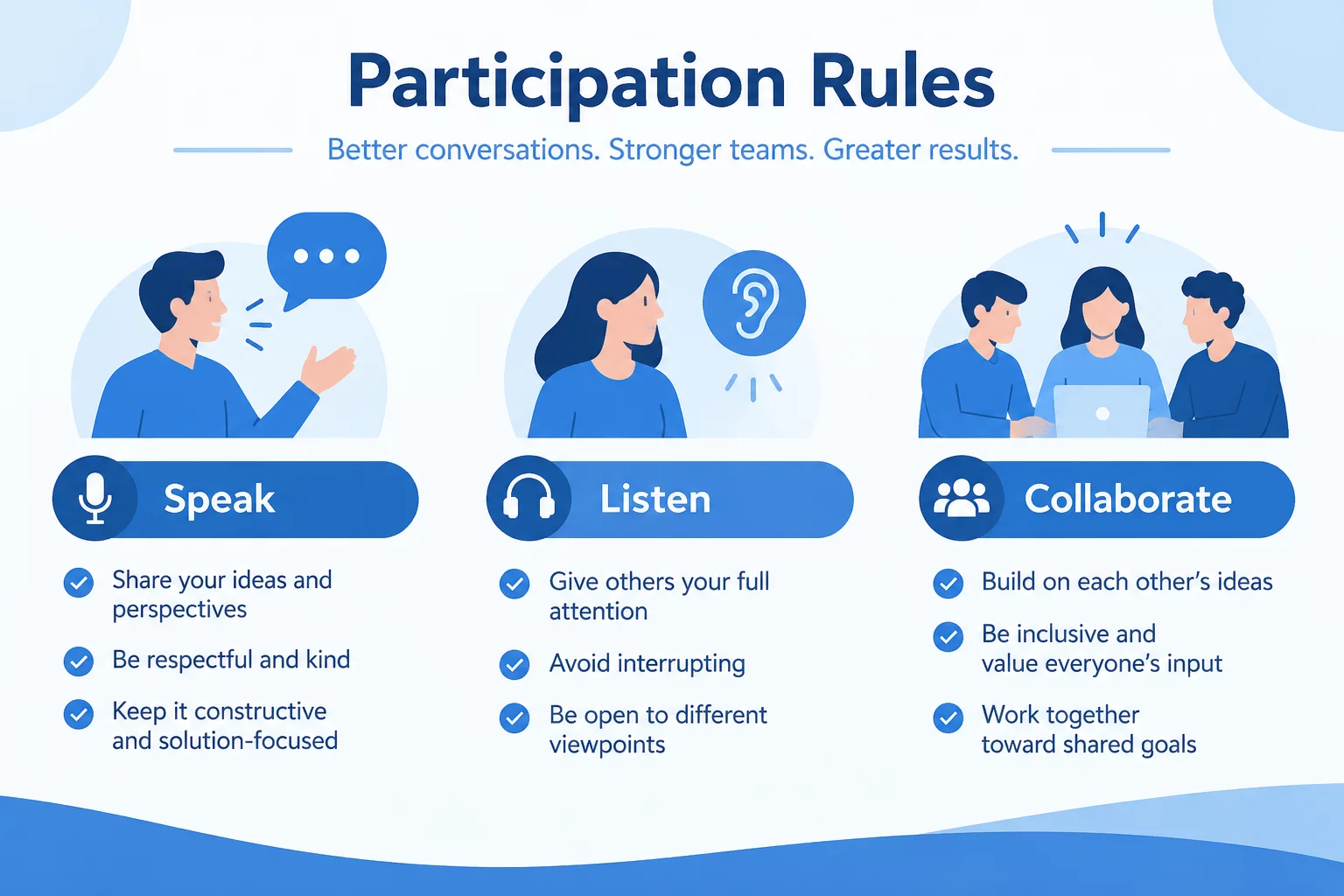
Implementing structured protocols such as silent reading periods and mandatory moderator call-outs neutralizes dominant in-room dynamics. These small operational shifts transform passive video watchers into engaged co-creators who report sustained job satisfaction.
Employee satisfaction in distributed teams is an organizational design problem, not an inherent consequence of remote working technology.— Management Science Research Consortium
Structural Benchmarks for Sustainable Hybrid Interaction
To operationalize the academic findings, organizations must align both physical room behavior and virtual participation standards across core communication dimensions.
Evidence-Based Collaboration Matrix
| Dimension | In-Room Standard | Remote Standard | Expected Outcome |
|---|---|---|---|
| Voice Allocation | Raised hand protocol before speaking | Digital queue priority & audio cueing | 42% more balanced speaking time |
| Context Sharing | Digital canvas rather than physical whiteboard | Direct collaborative canvas editing | 100% information accessibility |
| Feedback Loops | Real-time chat tracking monitor in room | Active asynchronous channel contribution | Immediate clarification of blockers |
Standardizing these behavioral patterns removes the guesswork for distributed contributors. When the rules of engagement are clear, team members spend less energy decoding room politics and more energy driving measurable business results.