Removing the Delay That Silences Remote Voices
In a hybrid town hall, the room moves fast: questions fly, side comments land, decisions form. Remote attendees experience that same meeting a few hundred milliseconds later—and by the time their question arrives, the moment has passed. This 2026 evaluation looks at platforms through one lens: can remote participants interact at conversational speed with the people in the room?
The strongest platforms collapse that delay so remote questions land while they are still relevant. For organizers, the practical result is simpler facilitation: fewer repeated questions, fewer remote attendees who give up on speaking, and a discussion that includes the whole audience.
Fitting the Platform to Your Participation Format
Large hybrid events live or die by how well remote voices reach the stage and how clearly remote faces appear to the room. Look for platforms that present each remote speaker as an individual presence—visible, audible, and answerable—rather than as an anonymous tile in a grid.
What to Check When Comparing Platforms
Giving Facilitators One View of the Whole Audience
An interactive hybrid session only works when the facilitator can see every queue at once: hands raised in the room, questions in chat, polls from both audiences. The platforms reviewed here consolidate those signals so remote contributors stop being overlooked in fast discussions.
- One moderation view combining room microphones with remote chat and hand-raises.
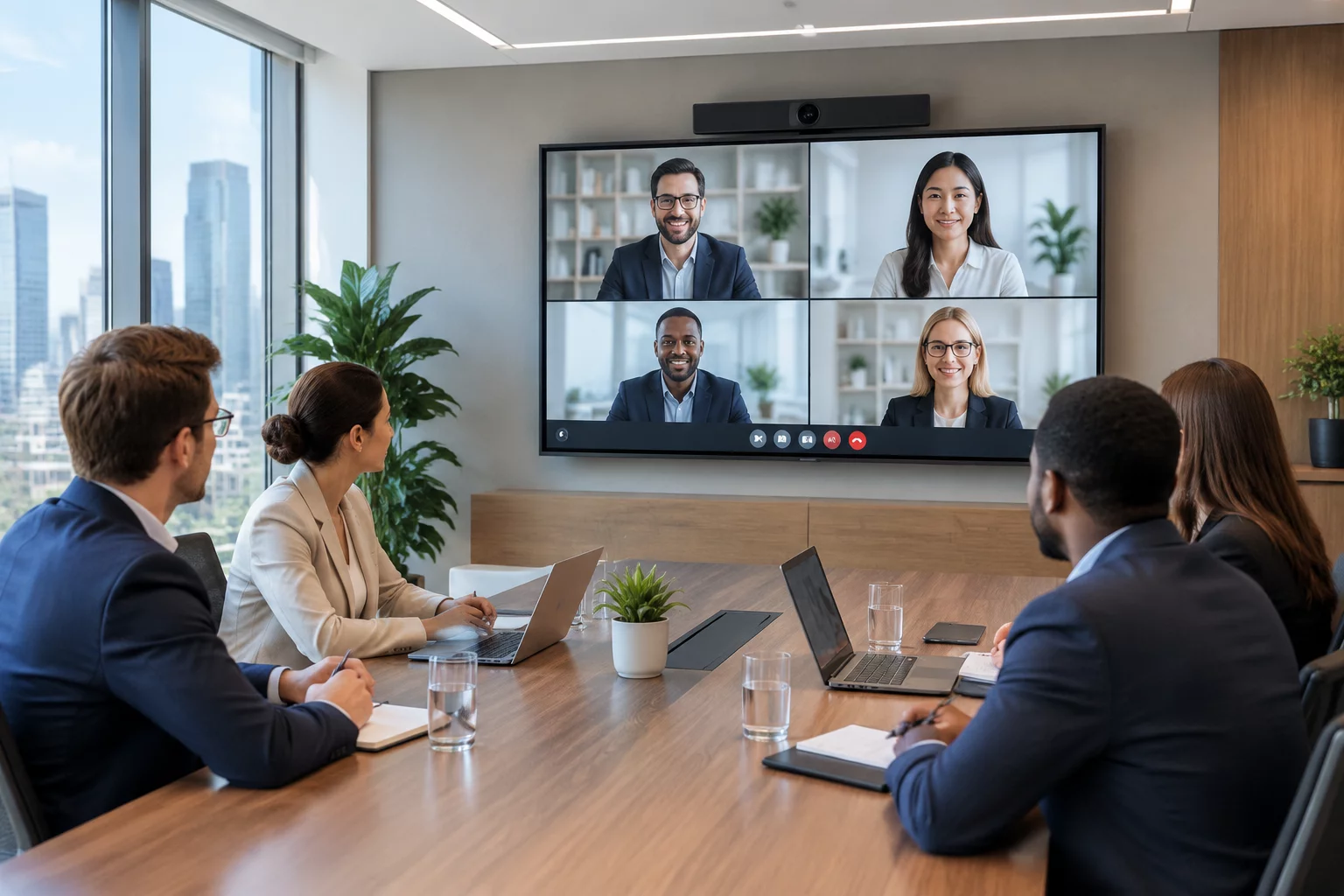
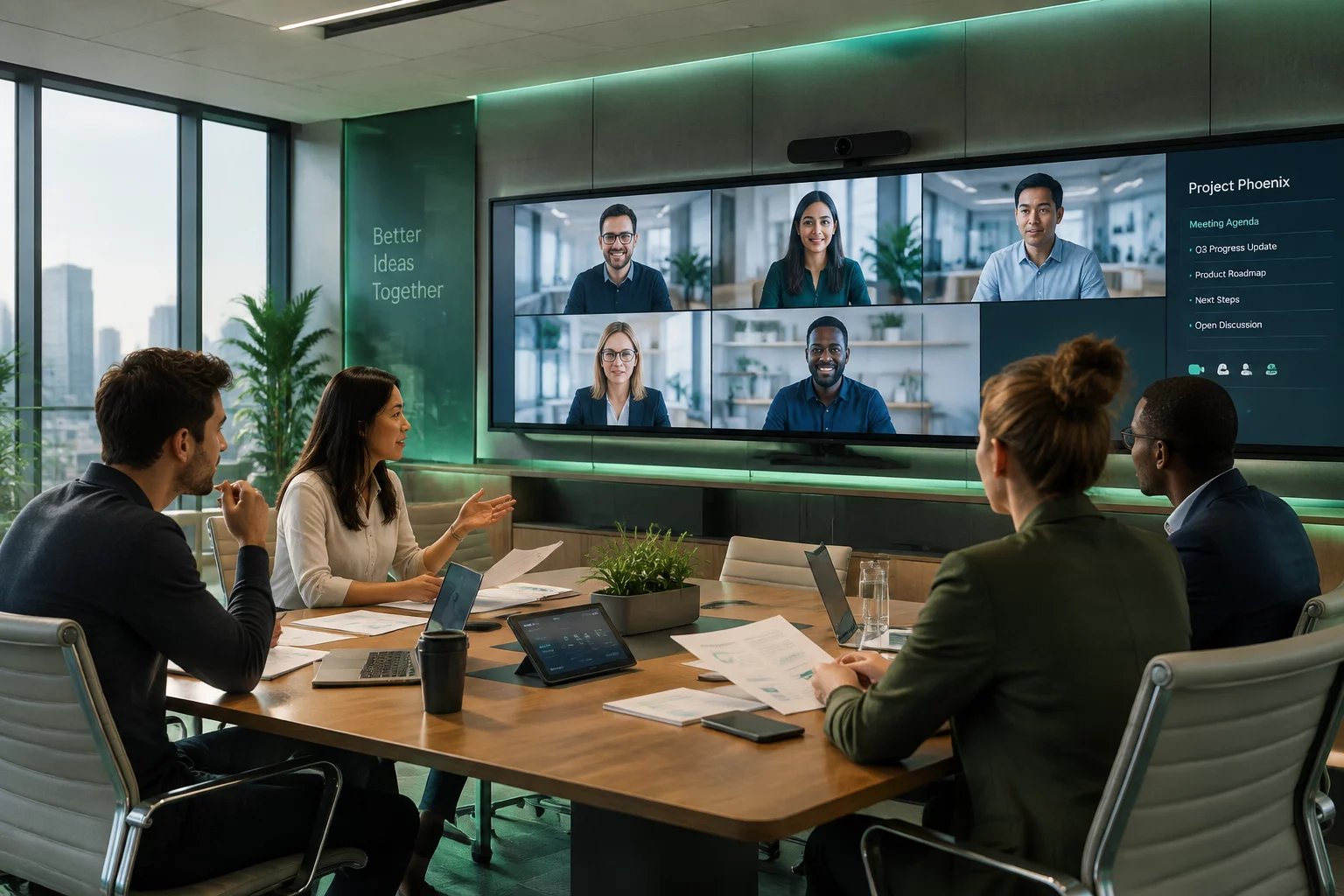
- Remote speakers projected at full size on room displays so the audience addresses them directly.
- Safeguards that keep remote audio intelligible even when the venue network dips.